Health is wealth, goes the adage. In our podcast episode, “Why Mental Toughness is the Specialist Super Power,” Dr. Reid Pullen talked about longevity and vitality. Health and wellness often supplant more superficial pursuits as we age. Many of us become aware of just how much those factors can make or break our ability to be effective doctors, parents, spouses, and community members. Mental health, in fact, can finally assert itself in our lives as a worthy area for actual focused attention. After all, being physically fit can coexist with mental health challenges, even for Olympians, as Simone Biles and Lindsey Vonn have bravely illustrated with public sharing to help end the stigma of discussing such challenges.
Dentists are pillars of community health, often donating their time and expertise to help those without the resources to access quality care. Though their own health can suffer through common pitfalls, they may be surprised to hear that they share among others in their profession. Let’s discuss common mental health issues, causes, and how to treat and even prevent them.
Common Mental Health Issues Among Dentists
Mental health challenges such as anxiety are on the rise for many, and dentists are no exception. “The percent of dentists diagnosed with anxiety more than tripled in 2021 compared to 2003,” according to a report from the American Dental Association in their 2021 Dentist Well-Being Survey Report. About 60 percent of respondents of one survey from 2,441 dentists in the United Kingdom reported tension and depression, difficulty sleeping, and unexplained tiredness.
Causes of Mental Health Issues Among Dentists
In one study probing stress among dentists, the listed causes may be familiar to practitioners. Pressures of time and scheduling were cited alongside “staff and technical problems.” For those lucky enough to schedule and staff without a hitch, life may seem a good deal less complicated and stressful than for others.
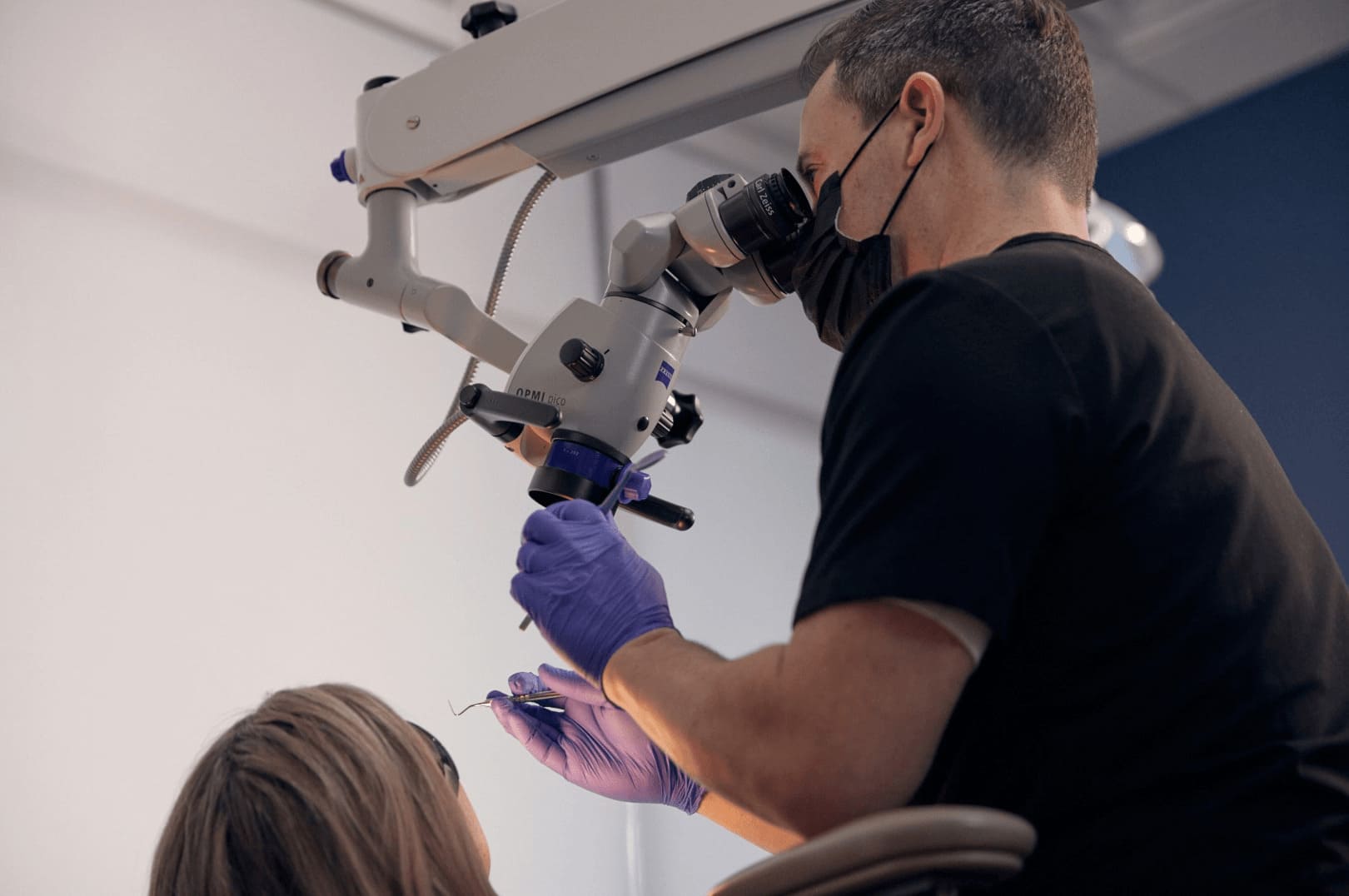
Dental specialists such as Dr. Pullen, Dr. Brett Gilbert, and Dr. David Landwehr told Endo Files host Kim Brownell that being a dentist can be severely emotionally draining. The doctors reflected briefly on the trauma many patients bring into the dental office before they’ve even met their dental specialist. Physical and mental trauma can be absorbed by the dentist, said Dr. Pullen. From patients who physically bite the doctor to patients who are severely stressed during the visit, the dental specialists in these episodes talked about how being regarded negatively before being evaluated for their skills and work can take a toll.
Not least, these doctors each discussed the physical toll of working in the dental office, which underscores the importance of understanding the mind-to-body connection. Each doctor addressed the importance of physical practices to ease and relax the mind, helping doctors cope with daily stressors and provide optimal patient care.
Dr. Landwehr even introduced the Japanese concept of kaizen, or the idea of improving every day, even incrementally, through daily efforts. He and his colleagues gave fascinating first-hand suggestions for treating and preventing the mental health issues they faced.
Mental Health Resources for Dentists
As always, consult your own physician before embarking on any course of care. Each individual is unique and will have unique concerns when it comes to establishing an effective care pattern. It’s best to turn to professionals to treat mental health issues, just as lay people turn to dentists for help with their teeth and gums.
For resources, don’t forget to tap into your current network of fellow healthcare professionals by visiting the American Dental Association site. In addition to contact info for people and places to reach out to for treatment and prevention, you’ll find lots of information on mindfulness and strategies for preventing burnout. The ADA Accelerator Series also includes videos on wellness and self-care. For a small fee, access the ADA’s Dentist Well-Being Program Directory for other ways to find support when you may need it most.
Tips Dentists Can Use to Build Mental Toughness
Regarding the stress of being a dentist today, Dr. Gilbert cited connecting to his body with deep breathing techniques to activate the parasympathetic nervous system. He described a longer exhale than inhale and briefly holding the breath at the top of the inhale for a second or two before the exhale. For him, five to seven minutes of breathwork every morning is essential. Similarly, Dr. Gilbert mentioned meditation and stillness as key to his tool belt of mental health practices. As yoga uses beneficial breathing techniques, it can also be a relaxing exercise to add to a dentist’s daily regimen.
For Dr. Landwehr, taking care of his neck and shoulders daily resulted in a better mood, but he also talked about resetting the mind by placing his body in a sauna and then a cold plunge after work. For him, this provided a good reset and mental refresher. Similarly, Dr. Pullen discussed employing a set of physical therapy exercises recommended by a friend in the field. The short exercises help ensure that his emotional state is not stuck on reactions to a feeling of pain due to poor ergonomic postures and low muscular support.
Dr. Gilbert discussed coping with the trauma patients bring into his office by mentally probing the emotions he takes on and asking himself the simple question, “Whose energy is this?” Something about the check-in allows him to register the fact that the patient’s trauma is not his own to take on and feel, freeing him to work with more ease.
Similarly, Dr. Gilbert described journaling as a helpful practice. Along those lines, Dr. Pullen described weekly therapy sessions as tough, but worthwhile. For him, they resulted in a feeling of lightness after he confronted and worked through tough memories and feelings in session.
For these three doctors, time spent on mental health is just as important as that spent on physical health. As Dr. Landwehr mentioned when he referenced kaizen, a little bit each day goes a very long way over time.